
How a Correctional EHR Streamlines Intake - Bringing Order to a Busy Process
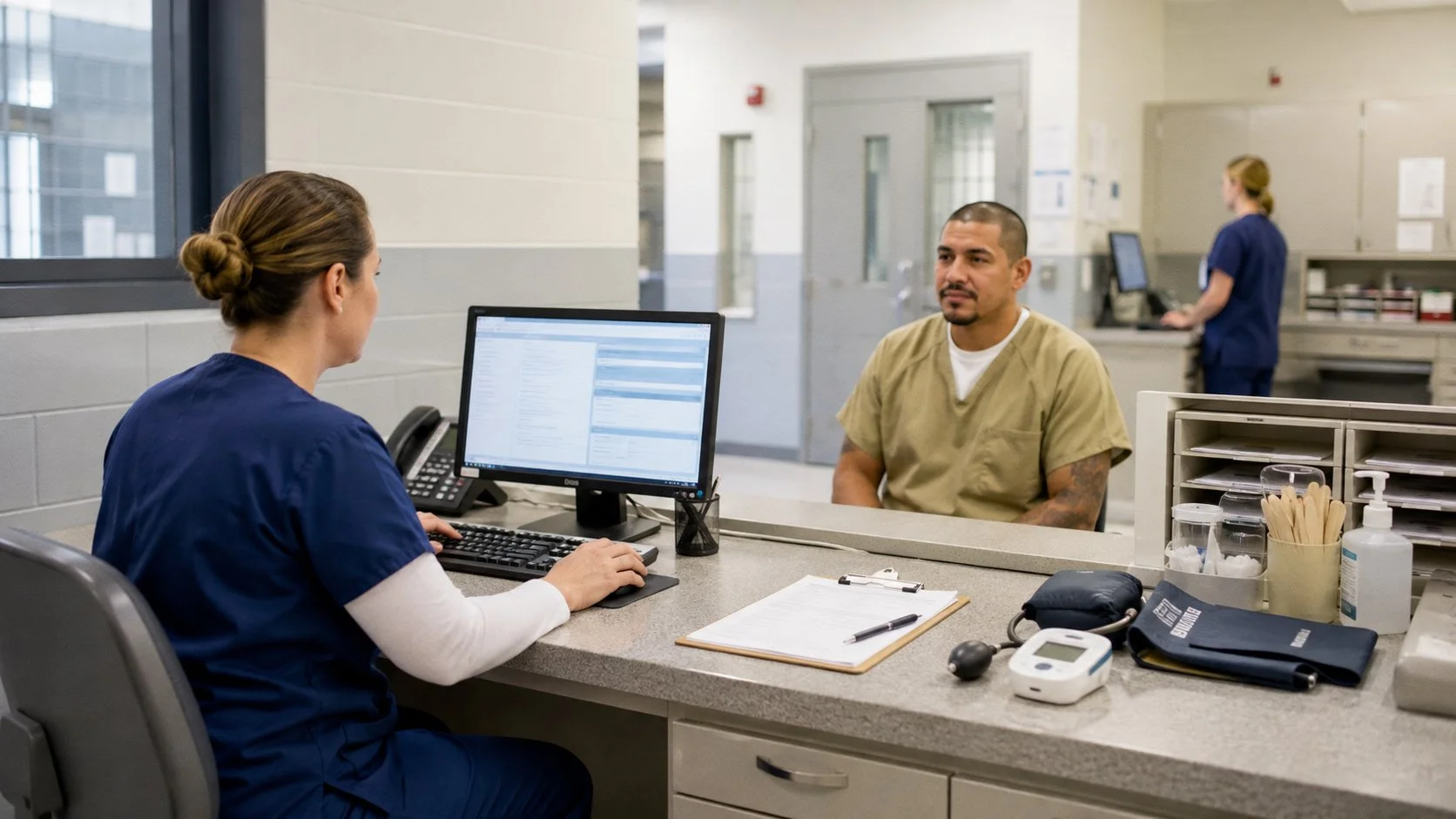
Intake is one of the busiest points in correctional healthcare. Employees gather medical information, review medications, and identify concerns that may need prompt attention. A correctional electronic health record (EHR) can streamline the correctional healthcare intake process, reduce administrative work, and help employees maintain continuity of care as patients move from intake to housing and ongoing care.
Improving Correctional Intake With Centralized Information
Patients may move between intake, housing units, medical observation areas, and outside appointments soon after admission. During correctional healthcare intake, each transition can affect who needs access to information and how follow-up is coordinated.
A correctional EHR can connect clinical documentation with relevant movement information so authorized employees can see where the patient is located and what actions have already been taken. The record stays connected to the patient at each point in the facility, helping maintain continuity from intake through later care.
Intake Can Require Several Time-Sensitive Decisions
Correctional intake may require employees to collect information and make several decisions within a short period. They may need to verify medications, document concerns, and coordinate with a provider or another department.
A well-designed EHR can support correctional healthcare workflows by helping employees move through these steps in an organized way. Prompts and structured processes make important information easier to find and support timely decision-making.
Keeping Intake Records Consistent and Accessible
A correctional EHR can guide employees through a standardized intake process that reflects how information is collected within the facility. Structured fields and organized screening forms help make correctional intake documentation more consistent and easier to complete.
This structure also makes records easier to review. Employees can quickly identify what was reported during intake and distinguish completed documentation from information that still needs clarification.
Shared Records Improve Communication Across Shifts
Intake information may be reviewed by several employees after the initial screening is complete. A correctional EHR gives authorized users access to the same up-to-date patient record without relying on handwritten notes or separate communication systems.
Clear timestamps and documented actions help incoming employees understand what occurred during the previous shift. This supports continuity of care and reduces the chance that important intake information will be overlooked.
Five Ways to Strengthen Your Correctional Intake Process
Map your current intake workflow. Identify where employees are re-entering information, switching systems, or waiting for information before moving to the next step.
Review intake from a shift-change perspective. Look at whether an incoming employee can quickly understand what has been completed, what is pending, and what needs follow-up.
Evaluate how information is accessed. Confirm that authorized employees can locate the information they need without searching through multiple records or communication channels.
Look for opportunities to reduce duplicate documentation. Determine where information collected during intake can flow into later documentation instead of being entered again.
Track where intake delays occur. Review common bottlenecks to determine whether workflow changes, better information access, or EHR configuration could make the process more efficient.
Ready to see what an EHR built for correctional healthcare can do for your facility? Contact us to learn how DetainEMR supports patient documentation, care coordination, and continuity from intake through release. Visit our Features page to explore the EHR capabilities available within DetainEMR.