
How a Cloud-Based EMR Improves Access to Care in Jails
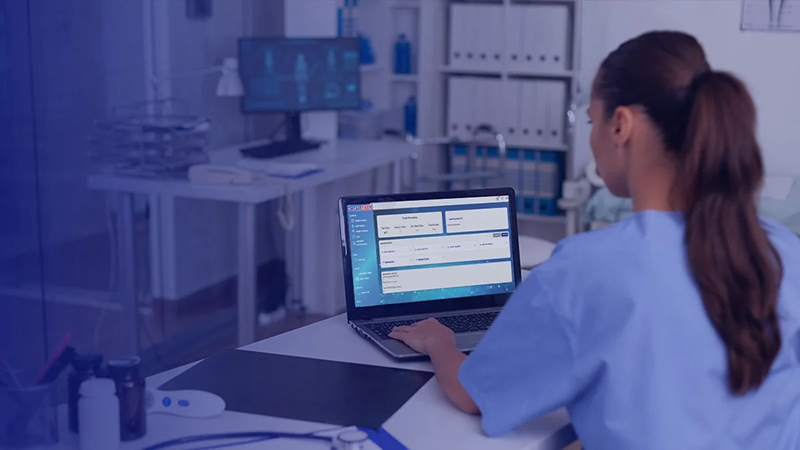
Correctional healthcare operates in an environment where timely access to care can impact security, compliance, and patient outcomes. Unlike hospitals or clinics, jails manage rapidly changing populations, unpredictable intake volumes, and constant coordination between medical and custody staff. In this setting, the ability to quickly access accurate health care data is critical.
Yet some facilities still rely on outdated or locally hosted electronic medical record (EMR) systems that can slow documentation, limit accessibility, and create operational barriers for medical teams. When your healthcare staff cannot easily access patient information during intake, medication pass, emergency response, or chronic care visits, delays in care can occur, and operational efficiency can suffer.
Why Traditional or Locally Hosted EMRs Can Create Barriers
Functional Limitations
Traditional EMR systems can require on-site servers, complex maintenance, and limited access points. When systems are difficult to access, staff may need to return to a central workstation to enter or retrieve patient data. This can slow response times during medical encounters, delay medication administration documentation, and make it harder to maintain continuity of care for individuals who move quickly through the intake-to-release cycle.
Security and Accessibility Issues
Additionally, locally hosted systems can create challenges for system updates, data security, and remote access when outside providers or administrators need to review information. These limitations can add operational friction in an environment where efficiency and accuracy are essential.
What a Cloud-Based EMR Should Deliver
Improved Access to Records
A cloud-based correctional EMR can help remove many of these barriers by allowing secure access to medical records from authorized devices across the facility. Healthcare staff can review patient history, document assessments, and update treatment plans often in real time, helping ensure critical information is available when care is delivered.
Cloud-based platforms also support faster system updates, improved data protection, and more reliable system performance without the need for extensive on-site IT infrastructure. When designed for correctional healthcare, these systems can support intake screening, medication administration records, behavioral health documentation, chronic care management, and reporting workflows within an accessible and centralized environment.
The result is a more connected healthcare system that helps medical teams work efficiently while supporting timely access to care for incarcerated individuals.
HL7 Compliance
Correctional healthcare systems that support HL7 standards can exchange information more effectively with hospitals, pharmacies, laboratories, and other healthcare providers, helping streamline the sharing of clinical data and reduce manual data entry. This type of connectivity can support more consistent communication and continuity of care when individuals receive treatment both inside and outside the facility.
Steps Correctional Leaders Can Take to Evaluate Cloud-Based EMR Solutions
1. Audit your current EMR accessibility. Determine how easily staff can access patient information during intake, medication pass, and medical rounds.
2. Evaluate mobility within the facility. Consider whether providers can document care at the point of service or must return to a fixed workstation.
3. Review system maintenance requirements. Assess whether your facility relies on local servers or complex IT support to maintain your current EMR.
4. Assess reporting and compliance capabilities. Ensure your system can quickly generate audit-ready reports for accreditation, investigations, or litigation defense.
5. Engage frontline medical staff. Ask where documentation delays or system limitations slow down their ability to deliver care.
In a correctional setting where patient populations can change rapidly, and timely documentation is crucial, technology should support access to care rather than create barriers. A cloud-based EMR designed specifically for correctional healthcare can help facilities strengthen compliance readiness, improve efficiency, and ensure your medical team has access to the information they need when it matters most.
To learn more about the latest cloud-based, HL7-compliant release of DetainEMR, designed and developed by doctors and nurses for the correctional healthcare community, visit our Features page or contact us with any questions about how DetainEMR can support your facility.