
Why HIPAA and HL7 Compliance Matter in Correctional EMR Systems
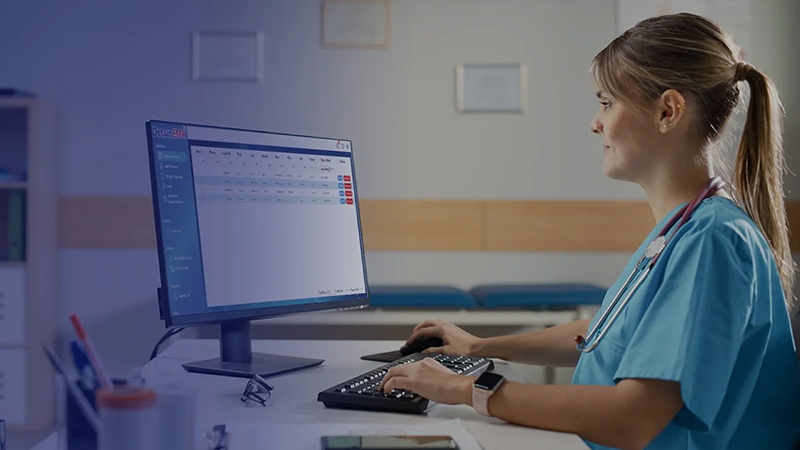
In correctional healthcare, protecting patient information while increasing accessibility in a timely manner can be vital.
Because of this, a correctional electronic medical records (EMR) system should do more than just store data. It should keep sensitive medical information secure while also making it easy for authorized staff and outside healthcare providers to quickly share and access important patient information. Without these abilities, facilities may face delays, miscommunication, or an increased possibility of legal or regulatory issues.
For administrators choosing an EMR, Health Insurance Portability and Accountability (HIPAA) compliance and easy data sharing with other systems are highly preferred options.
Why Compliance Standards Matter in Correctional Healthcare
Protecting Patient Privacy
Correctional healthcare providers should handle sensitive medical information in accordance with federal privacy regulations. HIPAA-compliant EMR systems ensure that protected health information is stored, accessed, and transmitted securely.
Without appropriate safeguards, facilities could see a greater potential for unauthorized access to medical records, improper data sharing, or inadequate audit trails documenting who accessed patient information and when. A compliant system supports controlled user permissions, secure data encryption, and detailed access logs that help facilities maintain appropriate oversight of patient records.
Reducing Legal and Regulatory Issues
Correctional healthcare systems operate under significant legal scrutiny. Gaps in documentation or data security can create potential exposure during audits, investigations, or litigation.
A HIPAA-compliant EMR system helps support structured documentation and reliable reporting, enabling facilities to maintain defensible medical records. When documentation is consistent and protected within a compliant system, facilities like yours are better positioned to demonstrate proper care processes and oversight.
Why HL7 Connectivity Is Equally Important
Improving Communication With Providers
Individuals in custody can receive care outside the facility, including emergency treatment at hospitals, diagnostic testing at laboratories, or medication services through pharmacies.
HL7-compliant EMR systems are able to exchange information with these organizations efficiently. This connectivity improves communication between providers and supports continuity of care when patients transition between correctional and community healthcare settings.
Supporting Continuity of Care
When medical information can move securely between systems, healthcare providers gain a clearer view of patient history, diagnoses, medications, and treatment plans. This enables medical staff to make more informed decisions and can reduce delays that occur when information must be manually requested or reentered.
In a correctional environment where medical encounters can happen under time-sensitive conditions, faster access to accurate information enhances both clinical workflows and care coordination.
What Correctional Leaders Should Evaluate in an EMR System
Verify HIPAA compliance features. Ensure the system supports secure data storage, role-based user permissions, and detailed access logs for auditing.
Confirm HL7 connectivity. Evaluate whether the system can communicate with other software using established healthcare data standards.
Assess encryption and data security protocols. Determine how patient data is protected both at rest and during transmission.
Review audit and reporting capabilities. Confirm that the EMR can generate documentation needed for investigations, accreditation reviews, or legal defense.
Evaluate vendor experience in correctional healthcare. An EMR designed specifically for correctional environments by doctors and nurses can be better equipped to address custody workflows, intake screening, medication administration, and rapid population turnover.
Correctional healthcare leaders balance operational efficiency with regulatory compliance and patient care. EMR platforms built with both HIPAA privacy standards and HL7 connectivity enable teams to document care effectively, strengthen compliance readiness, and support coordination with outside providers.
To learn more about our most powerful, cloud-based and HL7-compliant release of DetainEMR, designed and developed by doctors and nurses for the correctional healthcare community, visit our Features page or contact us with any questions about how DetainEMR can support your facility.